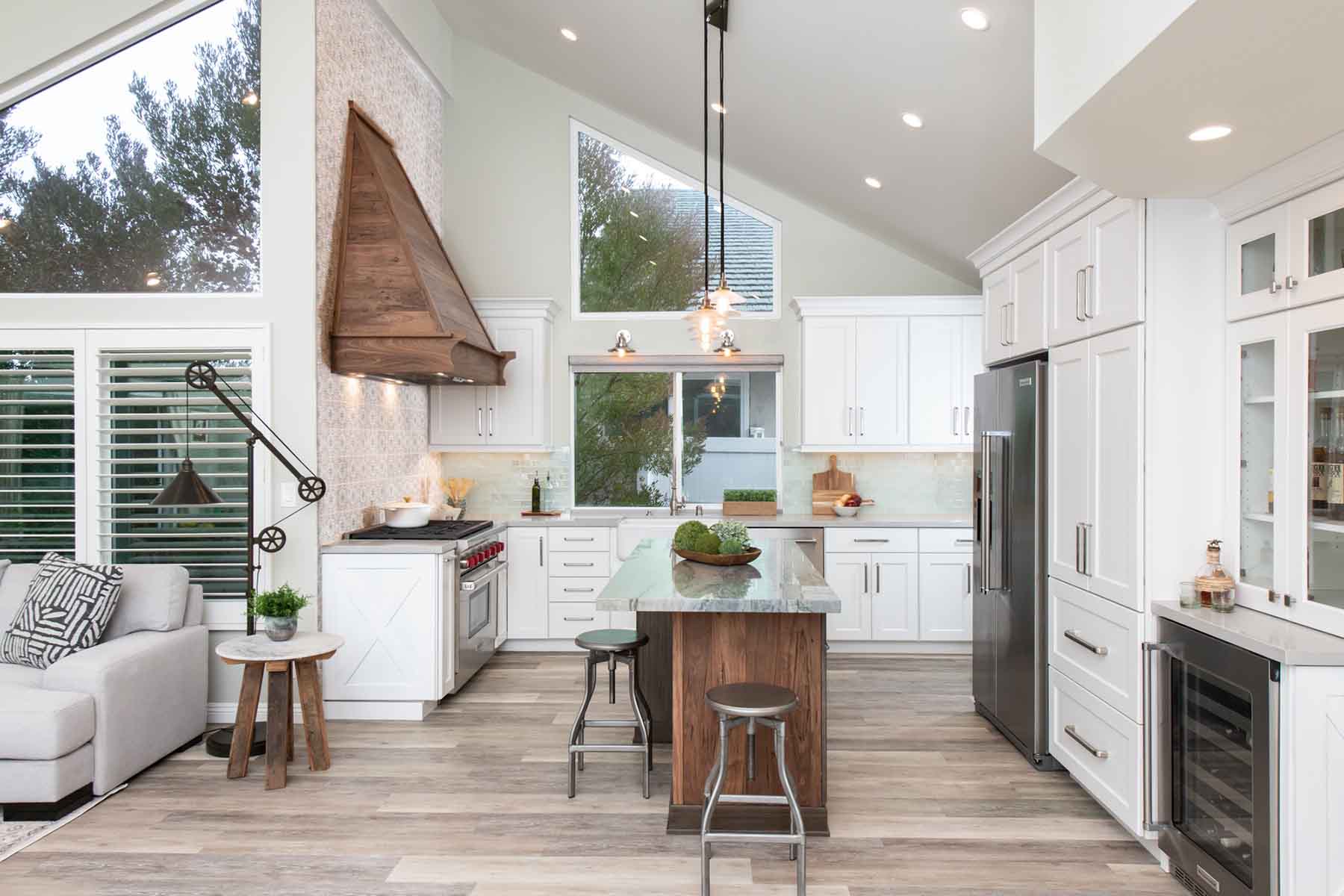
Proper kitchen remodel planning is one of the most important steps homeowners can take to ensure a smooth, cost-effective renovation with long-term value. In Kitsap County, kitchen projects often involve more than cosmetic upgrades. Many homes were built decades ago, which means layouts, wiring, plumbing, and ventilation may no longer align with current building standards or modern lifestyles.
A well-planned kitchen remodel balances functionality, durability, and budget. Decisions made early on directly affect construction timelines, permit requirements, and final costs. Poor planning often leads to delays, unexpected change orders, or compromises that homeowners regret later. Good planning reduces risk and helps everyone involved work more efficiently.
Local factors also matter. Moisture control, structural framing, and energy efficiency requirements influence material choices and construction methods across Kingston, Poulsbo, Bremerton, Silverdale, and Bainbridge Island. Understanding how these conditions shape kitchen design helps homeowners make smarter decisions from the start.
This article breaks down how to approach a kitchen remodel step by step. It focuses on layout planning, budgeting realities, scheduling expectations, and construction considerations specific to Kitsap County homes. The goal is to provide practical guidance homeowners can use before meeting with a contractor or designer.
Before selecting finishes or appliances, homeowners should clearly define what they want their kitchen to do better than it does now. Successful kitchen remodel planning starts with function, not aesthetics. Storage limitations, inefficient workflows, poor lighting, and outdated appliance placement are common issues in older Kitsap County homes.

Start by evaluating how the kitchen is used daily. Consider cooking habits, number of people using the space, and how the kitchen connects to adjacent rooms. For example, many homes in Poulsbo and Silverdale were designed with closed-off kitchens that no longer fit modern living patterns. Opening walls may improve flow but can introduce structural considerations.
It is also important to think long term. Aging-in-place features, wider walkways, and accessible storage can future-proof the space without sacrificing appearance. These choices are easier and less expensive to incorporate during the planning stage rather than as retrofits.
Clear priorities help guide design decisions and prevent scope creep. When homeowners know what matters most, it becomes easier to evaluate trade-offs and keep the project aligned with both budget and lifestyle needs.
Budgeting is one of the most misunderstood parts of a kitchen remodel. Many homeowners focus on visible finishes while underestimating the cost of structural, mechanical, and code-related work. In Kitsap County, older housing stock often requires updates that are not immediately obvious during early planning discussions.
Industry data consistently shows that kitchens are among the most expensive rooms to remodel. According to the Remodeling Cost vs. Value Report, midrange kitchen remodels typically return strong value when properly planned and executed. Reviewing regional cost data helps set expectations early. https://www.remodeling.hw.net/cost-vs-value
Homeowners should plan for a contingency of at least 10 to 15 percent. Hidden water damage, outdated wiring, or undersized framing are common discoveries once walls are opened. These issues are especially common in Bremerton and Bainbridge Island homes built before modern building codes.
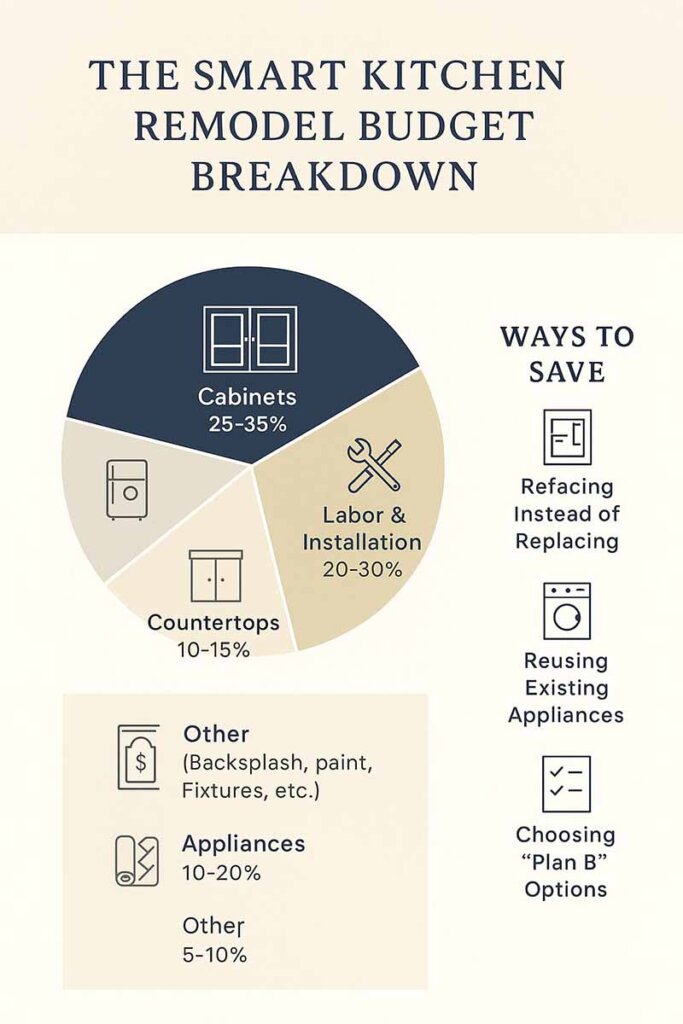
Transparent budgeting discussions during kitchen remodel planning reduce stress and help prioritize spending where it delivers the most functional benefit.
Layout changes can dramatically improve a kitchen, but they also introduce complexity. Moving walls, sinks, or appliances often requires structural evaluation and mechanical redesign. In Kitsap County, many kitchens sit above crawl spaces or basements, which affects how plumbing and electrical lines can be rerouted.
Load-bearing walls require engineered solutions if removal is desired. This may involve beams, posts, or foundation work. Identifying these elements early prevents costly redesigns later.
Ventilation is another critical factor. Proper range hood venting is often overlooked but is essential for moisture control and indoor air quality. The National Association of Home Builders emphasizes the importance of ventilation planning in kitchen design. https://www.nahb.org
A well-considered layout balances openness with efficiency. Oversized islands or poorly placed appliances can create congestion rather than improve usability. Planning should focus on movement patterns and clearances that meet code while supporting daily use.
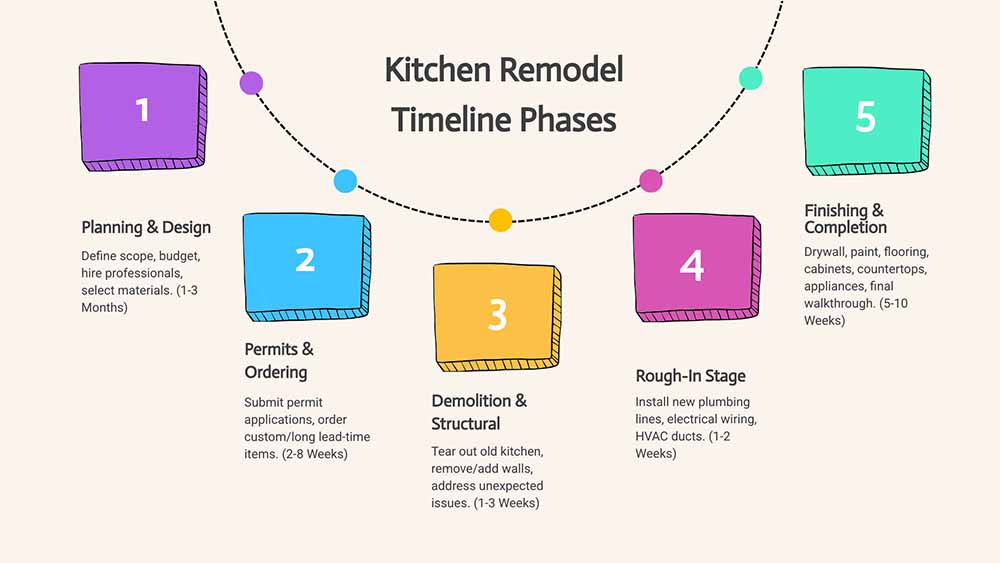
Weather can also affect scheduling, especially for projects involving exterior walls or window replacements. Planning buffer time is essential.
Kitchen remodel planning that accounts for sequencing reduces downtime and minimizes disruptions to daily life. Homeowners should plan for limited kitchen access during construction and consider temporary cooking arrangements.
Kitchen remodel timelines are often longer than homeowners expect. In Kitsap County, permit review, inspections, and subcontractor availability all affect scheduling. Understanding the sequence of work helps set realistic expectations.
Permit requirements depend on scope. Moving walls, altering plumbing, or upgrading electrical systems generally requires permits and inspections. Skipping these steps can create safety issues and future resale problems.
Material choices should reflect how the kitchen will be used, not just how it looks on day one. In Kitsap County’s damp climate, moisture resistance and durability are especially important considerations.
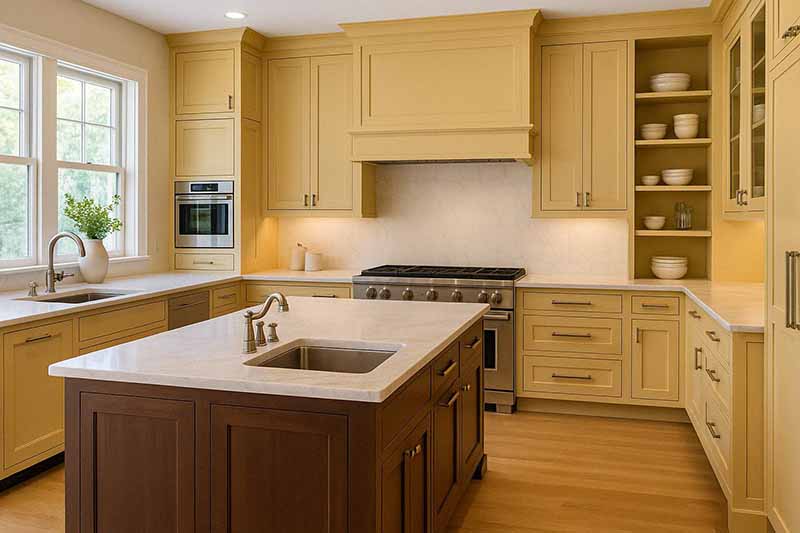
Cabinetry and countertops form the functional core of the kitchen and see constant daily use. Material quality, construction methods, and installation standards directly affect how the space performs over time. In many Kitsap County homes, selecting materials that resist moisture, hold alignment, and tolerate regular wear is just as important as choosing finishes that look good on day one.
Plywood cabinet boxes for improved strength and resistance to warping
Solid wood or MDF doors based on budget, durability, and finish preferences
Soft-close hinges and drawer slides to reduce long-term wear
Full-overlay door styles for efficient use of interior cabinet space
Quartz for low maintenance, stain resistance, and consistent appearance
Granite for natural variation, durability, and heat resistance
Solid surface materials for seamless joints and easier repair
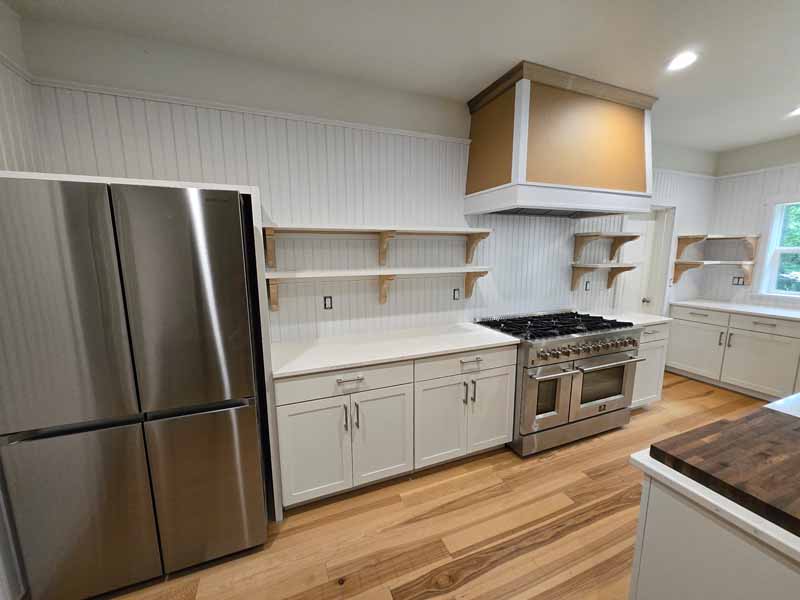
Kitchen flooring must withstand spills, moisture, and frequent foot traffic while remaining easy to clean and comfortable underfoot. Subfloor condition and proper installation are critical, especially in homes with crawl spaces or older framing where movement and moisture exposure can be factors.
Porcelain or ceramic tile for durability and moisture resistance
Luxury vinyl plank (LVP) for water resistance, comfort, and ease of maintenance
Engineered hardwood for a wood look with improved dimensional stability
Slip resistance, seam placement, and transitions to adjacent rooms should be planned carefully to avoid long-term performance issues.

Energy efficiency upgrades are often easiest to implement during a kitchen remodel, when walls, ceilings, and systems are already being accessed. These improvements can reduce operating costs, improve comfort, and support better long-term performance without significantly altering the visual design of the space.
ENERGY STAR–rated appliances for improved efficiency and performance
LED task and ambient lighting to reduce energy use and heat output
Insulation and air sealing upgrades when exterior walls are opened
Incorporating efficiency improvements during construction is typically more cost-effective than adding them later and can contribute to a more comfortable kitchen overall.
Thoughtful material selection during kitchen remodel planning reduces long-term maintenance costs and improves daily usability.
A successful kitchen remodel starts long before demolition begins, and local experience plays a meaningful role in how smoothly that process unfolds. Contractors who regularly work in Kitsap County understand common construction conditions, local permitting expectations, and the practical realities of remodeling homes in Kingston, Poulsbo, Bremerton, Silverdale, and Bainbridge Island. That familiarity helps reduce delays, avoid missteps, and set more accurate expectations from the outset.
Kitchen remodel planning that accounts for local building conditions, inspection requirements, and long-term functionality leads to better outcomes and fewer surprises. A local contractor can help homeowners think through layout, budget, and material decisions with regional context in mind, while keeping the focus on function first and aesthetics second. If you are considering a kitchen renovation, a professional consultation can help clarify scope, costs, and next steps, and provide guidance tailored specifically to your home and location.

Most kitchen remodels take 8 to 12 weeks once construction begins, depending on scope, permits, and material availability.
Permits are usually required when modifying walls, plumbing, electrical systems, or ventilation.
In most cases, yes, but expect limited kitchen access and daily disruptions during construction.
Costs vary widely, but realistic budgeting should include structural and mechanical upgrades, not just finishes.
That depends on existing conditions, layout limitations, and long-term goals.
Ready to talk numbers for your own project? Reach out to our Kitsap County team for a detailed quote and expert guidance every step of the way. We’ll help you plan a remodel that fits your budget, timeline, and vision