Planning a home addition is one of the most effective ways to improve comfort, expand usable space, and enhance long-term property value. Homeowners in Kitsap County face unique considerations related to permitting, zoning, climate, and site conditions, all of which play a major role in the early planning stages. Understanding how these pieces fit together helps you set realistic expectations and avoid the delays that commonly affect addition projects.

This guide covers key topics that help you plan with greater confidence, such as:
• What permits and zoning rules apply to home additions
• How to design an addition that fits your home’s structure
• Ways to build a realistic and transparent budget
• Conditions that influence construction timelines in Kitsap County
• How to choose a contractor with strong local experience
Local permitting is one of the most important parts of the early planning stage. Kitsap County Community Development oversees building permits, zoning reviews, and inspections for residential additions. Most additions require a building permit, a site plan, and documentation showing that the new structure meets code. Review times vary based on project complexity and seasonal workload, so planning ahead protects your schedule.
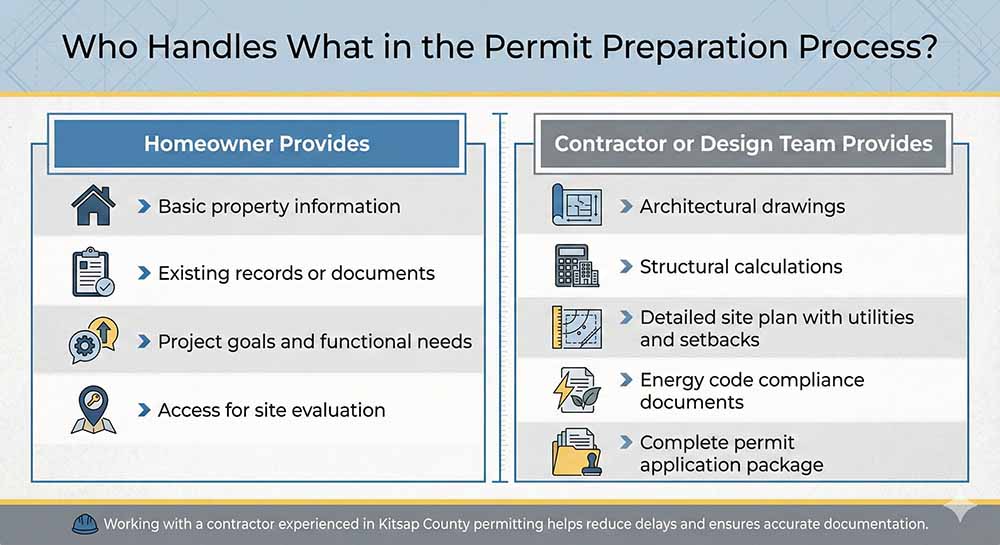
Setback requirements help determine where you can build on your lot. These vary depending on zoning classification, shoreline proximity, and neighborhood requirements. Homes in Bremerton or Poulsbo may face different minimum distances from property lines than homes in Silverdale or Bainbridge Island. Site constraints such as slopes, drainage patterns, and soil type also affect foundation design and may trigger additional review steps.
Homeowners should prepare the key documents that Kitsap County typically requires. These include architectural drawings, structural calculations when needed, and an accurate site plan showing utility lines and property boundaries. Clear documentation speeds up the permitting process and reduces the likelihood of corrections.
Essential permitting components include:
• A complete application package with drawings and specifications
• A site plan showing structures, setbacks, and utilities
• Structural details for any load-bearing modifications
• Energy code compliance documents when required
Working with a contractor who understands local permitting rules makes the process smoother and helps prevent delays that can disrupt the project timeline.
A well-designed home addition blends seamlessly with the existing structure. Architectural alignment matters for long-term value and visual cohesion, but it also affects structural requirements. Rooflines must match correctly to ensure proper water management, especially during rainy seasons common throughout Kitsap County. Structural compatibility also involves assessing the capacity of existing framing, foundation systems, and load paths.
Mechanical and utility planning should be included early. Many homes in Kingston, Silverdale, and Bremerton need electrical panel upgrades or adjustments to heating and cooling systems before supporting additional square footage. Plumbing extensions for bathroom or laundry additions require a clear understanding of current routing and venting. These steps help prevent surprises once construction begins.
Material selection should suit the regional climate. Kitsap County’s moisture levels make durable siding, roofing, and flashing details important. Energy efficiency is also a key consideration. Window ratings, insulation levels, and air sealing practices all contribute to comfort and lower long-term operating costs. Guidance from reliable building science sources, such as the National Association of Home Builders, helps inform these decisions.
A successful design phase includes open discussions with your contractor about layout goals, structural requirements, and long-term durability.
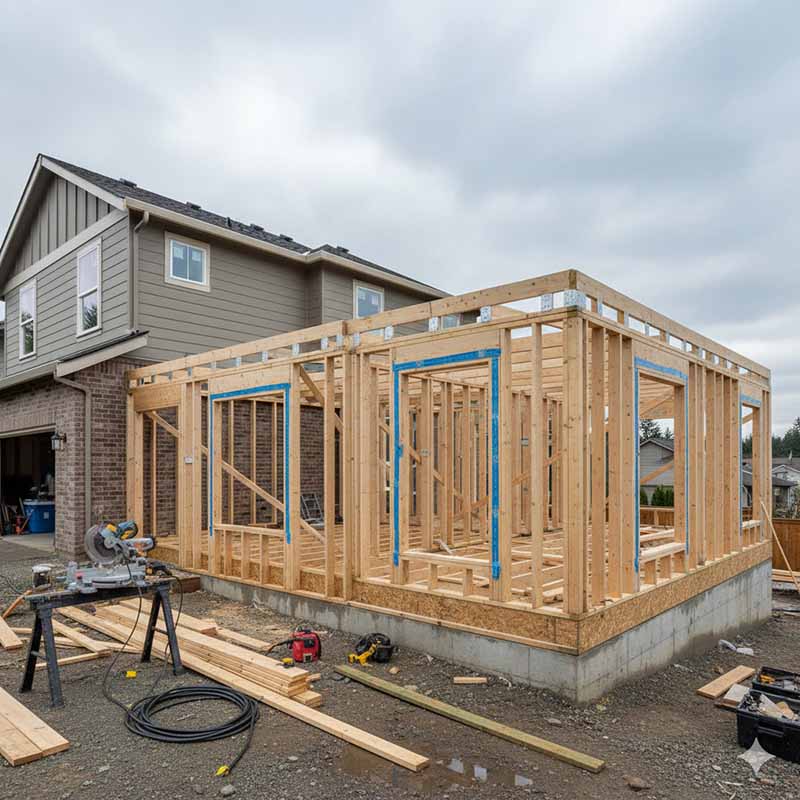
Budget planning benefits from a structured approach. The cost of a home addition depends on square footage, foundation work, structural modifications, finish quality, and utility upgrades. Homeowners can get a reliable starting point by reviewing established benchmarks like the annual Cost vs. Value Report published by Remodeling Magazine, which provides national and regional data on typical project pricing.
Clear documentation and defined scopes of work protect the project from cost overruns. Changes to framing, roof integration, or mechanical systems have major budget implications, so early coordination with your contractor is essential. Transparent line-item estimates make it easier to compare proposals and understand what is included.
Contingency budgets are important. Unforeseen structural discoveries, material substitutions, or weather-related delays can increase costs. Many professionals recommend reserving ten to fifteen percent of the project budget for contingencies. Kitsap County’s varied home ages add another layer of unpredictability, especially when integrating new systems with older structures in places like Poulsbo or Kingston.
Homeowners benefit from reviewing bids for clarity, evaluating contractor qualifications, and understanding the long-term value of durable materials. Thoughtful budgeting helps ensure the new space is built to last.
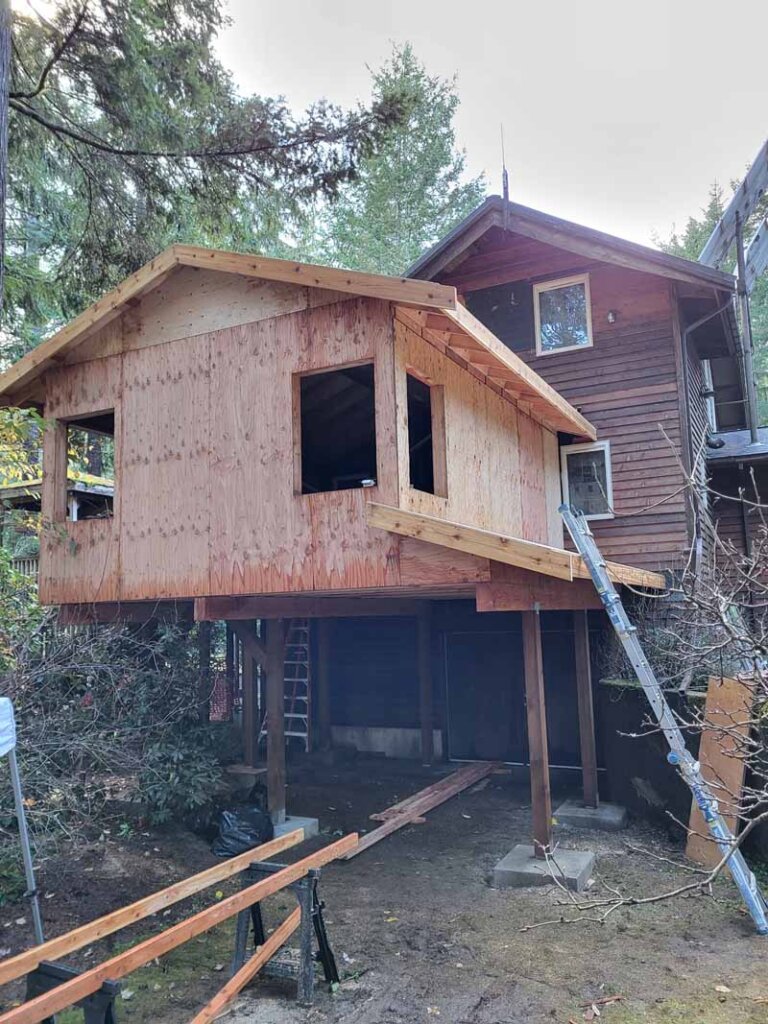
Timeline planning is a major part of setting expectations. Kitsap County’s climate affects many construction activities. Rain can slow excavation or exterior framing, while shorter winter daylight hours reduce daily productivity. This is especially relevant for additions requiring foundation work or roof modifications.
Subcontractor availability and material lead times play a large role. Some specialty trades, such as electricians or HVAC technicians, book out weeks in advance. Long-lead items like windows or custom structural components may take additional time to arrive. Project scheduling that accounts for these variables minimizes disruptions.
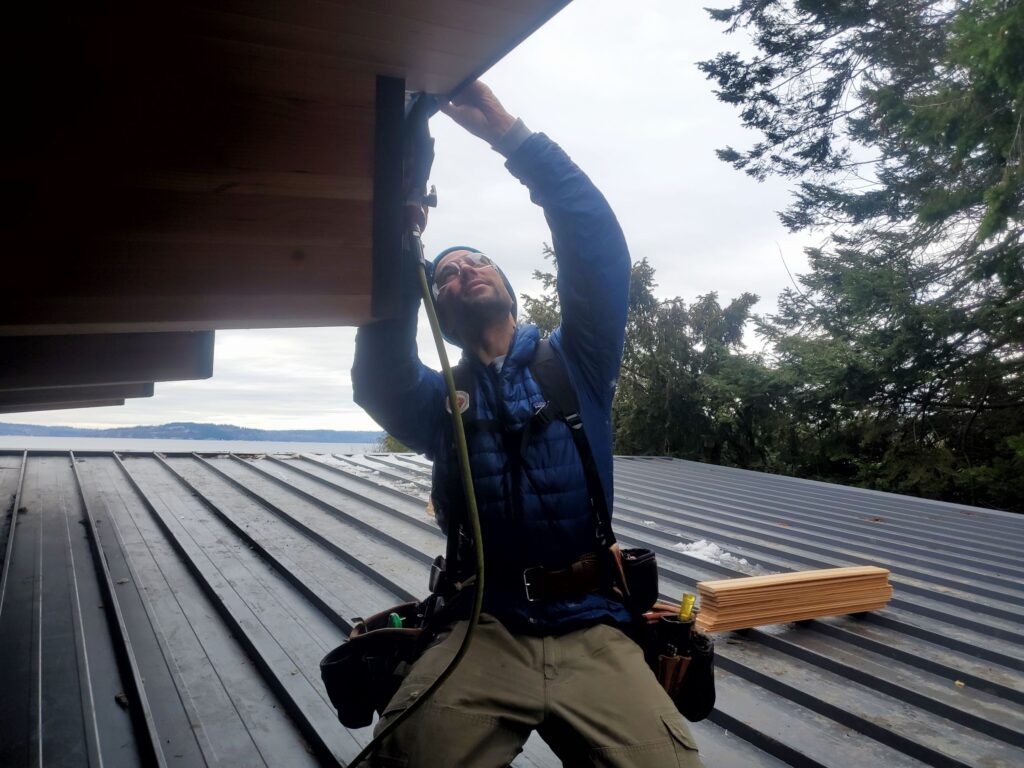
Inspection scheduling is another factor. Kitsap County inspections occur at several stages, including foundation, framing, mechanical systems, and final approval. Timely coordination helps keep the project moving. Waterfront or steep-slope properties, common in Kingston and Bainbridge Island, may require extra engineering reviews or site preparation before building begins.
By understanding these local conditions, homeowners can set realistic timelines and reduce stress throughout the construction process.
Choosing a contractor familiar with Kitsap County is one of the most effective ways to streamline a home addition. Local knowledge supports accurate permitting, thorough documentation, and realistic scheduling. Experienced contractors understand structural requirements, inspection expectations, and the specific construction challenges associated with different areas of the region.

A strong contractor relationship includes clear communication from the start. Homeowners should look for teams that provide detailed scopes of work, reliable timelines, and transparent cost structures. A contractor who explains design options, structural recommendations, and material choices provides an important layer of support during planning.
Quality control is another reason to work with a locally experienced builder. Attention to flashing, moisture management, insulation, and mechanical system sizing ensures the addition performs well over time. Builders who regularly work in Kitsap County understand how the climate influences material selection and installation techniques.
Effective project management, consistent communication, and familiarity with local requirements all contribute to a smoother construction experience.
A home addition can significantly improve comfort and functionality, and the planning stage sets the tone for the entire project. A strong understanding of local permits, design priorities, and regional construction conditions helps homeowners make informed decisions. Working with a contractor who understands Kitsap County ensures that the addition integrates well with your home, stays aligned with code, and holds up to local climate conditions. By taking time to prepare thoroughly, you can guide your project toward a smooth and successful build while confidently planning a home addition in Kitsap County.
National Association of Home Builders (NAHB)
https://www.nahb.org/
Remodeling Magazine – Cost vs. Value Report
https://www.remodeling.hw.net/cost-vs-value/
U.S. Department of Energy – Building Energy Codes Program
https://www.energy.gov/eere/buildings/building-energy-codes-program
Most additions take several months from first design meeting to final inspection. Timeline length depends on permitting, design complexity, material lead times, and weather conditions.
Yes. Kitsap County requires building permits for nearly all structural additions, including rooms, bump-outs, and multi-story expansions.
Structural changes, roofing tie-ins, foundation work, and utility upgrades are the most influential cost factors.
In most cases yes, but there may be short periods when certain areas must be closed for safety or system upgrades.
Hiring a contractor at the beginning ensures accurate budgeting, proper permitting, and a coordinated design process.
If you are preparing for a home addition in Kitsap County, reach out to Duramen Builds for guidance, detailed planning support, and a clear path forward. Our team is ready to help you get started.